What is TFT Technology? A Complete Guide to Modern Display Driving
In today’s display industry, whether it’s LCD monitors, automotive screens, or even OLED panels, one essential technology works behind the scenes: TFT (Thin Film Transistor).
LCD supply chains face risks such as component shortages, price fluctuations, product discontinuation, and quality inconsistency. OEM buyers can reduce these risks by selecting reliable suppliers, planning lifecycle strategies, and implementing second-source solutions to ensure stable long-term supply.
Medical LCD displays require high reliability, stable brightness, accurate color performance, and long-term supply support. Engineers must consider touch integration, environmental durability, and compliance requirements when selecting displays for medical devices to ensure safe and reliable operation.
Industrial LCD displays must operate reliably for many years in demanding environments. Key factors affecting display lifetime include LED backlight aging, operating temperature, image retention, and environmental durability. Engineers can improve reliability through proper component selection, thermal design, and long-term supply planning.
LCD displays can be one of the largest power consumers in embedded devices. Engineers can reduce LCD power consumption by optimizing backlight brightness, selecting efficient display technologies, implementing sleep modes, and designing energy-efficient user interfaces. These strategies help extend battery life and improve device performance.
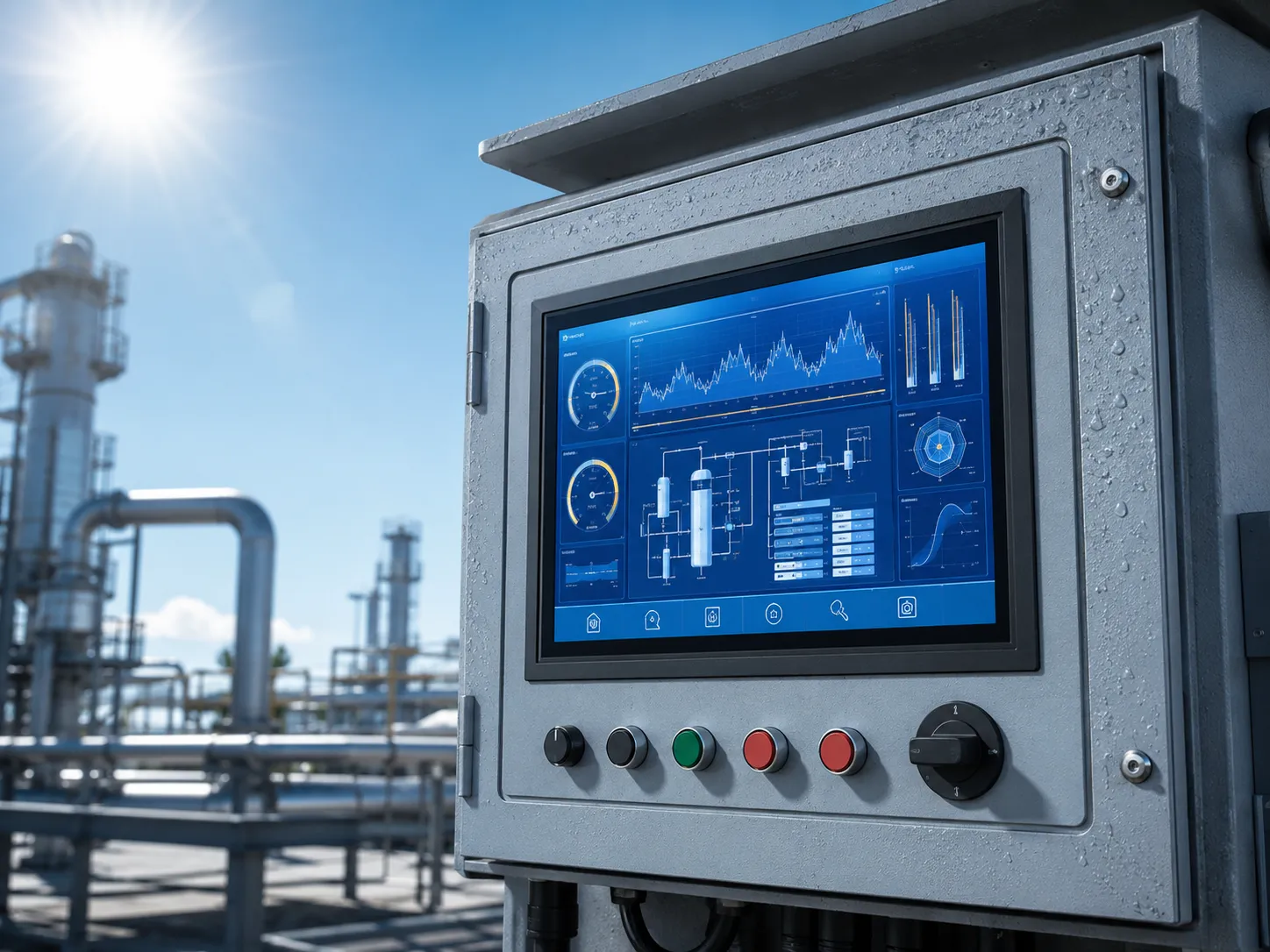
Sunlight readable LCD displays are designed for outdoor environments where strong ambient light reduces screen visibility. Key technologies include high brightness backlights, optical bonding, anti-reflective coatings, and IPS panels. By optimizing brightness, contrast, and optical performance, engineers can create displays that remain readable in direct sunlight.
Custom LCD displays allow OEM companies to optimize display performance and integration for their products. Key design considerations include display size, resolution, interface selection, brightness requirements, touch integration, mechanical design, and long-term supply stability.
The price of a TFT LCD display depends on several factors including the LCD panel, backlight system, touch panel integration, driver electronics, customization requirements, and order volume. Understanding these cost drivers helps OEM engineers and procurement teams make informed decisions when sourcing display modules for industrial or embedded devices.
Choosing a reliable LCD manufacturer is essential for OEM product success. Engineers and procurement teams should evaluate manufacturing capabilities, quality control systems, engineering support, and supply chain stability when selecting a display supplier. A dependable LCD partner can improve product reliability, reduce development risks, and ensure long-term supply for industrial and medical applications.
This article compares TFT and STN LCD technologies in terms of cost, performance, and application scenarios. It helps engineers and procurement teams determine which display technology is more cost-effective for their product design.
high brightness lcd, sunlight readable lcd, outdoor lcd display, lcd cost breakdown, industrial lcd display, high brightness tft, lcd backlight design, optical bonding lcd, lcd thermal management, sunlight readable display, lcd power consumption, outdoor display solution, high nits lcd, lcd module supplier, industrial display cost
LVDS, MIPI, and RGB (TTL) are the three most common LCD interfaces in embedded and industrial systems. While RGB offers simplicity and low cost, LVDS provides superior stability and EMI performance, making it the preferred choice for industrial applications. MIPI DSI, on the other hand, delivers high speed and low power consumption for modern mobile and high-resolution devices.
This article explains the difference between analog and digital LCD displays from an engineering perspective, focusing on signal architecture, TFT driving methods, and system-level trade-offs. It helps engineers select the right display interface for industrial and embedded applications.
This article breaks down LCD display cost structure, including panel, backlight, driver IC, and assembly. It helps engineers and procurement teams identify hidden cost drivers and optimize display solutions to reduce costs by up to 30% without compromising performance.
This guide explains how to build a second source strategy for LCD displays, helping engineers reduce supply chain risks, ensure long-term availability, and maintain cost control in industrial and medical projects.
A well-structured LCD module RFQ is essential for engineers and procurement teams to obtain accurate quotations and ensure long-term supply reliability. This guide explains key specifications, common sourcing risks, supplier evaluation criteria, and provides a practical RFQ template to streamline industrial display procurement.
This guide provides a practical supplier-evaluation checklist usable by both engineers and purchasing teams to minimize supply risk.
This guide explains how to choose the right industrial LCD display for medical and industrial devices, covering reliability, brightness, touch, and long-term supply considerations.
This article explains display interface and controller compatibility in vehicle display systems, helping engineers and procurement teams reduce integration risks and ensure long-term stability.
This article explains environmental reliability requirements and testing standards for vehicle display systems, helping engineers and procurement teams ensure long-term performance in automotive and industrial applications.
Get in touch
Email us: sales@flyluckylcd.com
5th Floor, Building C3, Zhongjia Creative Park, No. 65, Donghuan 2nd Road, Fukang Community, Longhua Street, Longhua District, Shenzhen. 518109