
Displays used in outdoor environments face unique challenges compared to indoor devices. Strong ambient light, reflections, and high temperatures can make standard LCD screens difficult to read in sunlight. For many industrial applications such as outdoor kiosks, EV charging stations, agricultural equipment, and marine electronics, sunlight readability is a critical requirement.
Designing a sunlight readable LCD display requires a combination of high brightness backlight technology, optical improvements, and proper display selection. Engineers must carefully balance performance, power consumption, and cost to achieve optimal visibility.
This guide explains the key technologies used to design LCD displays that remain visible under direct sunlight.
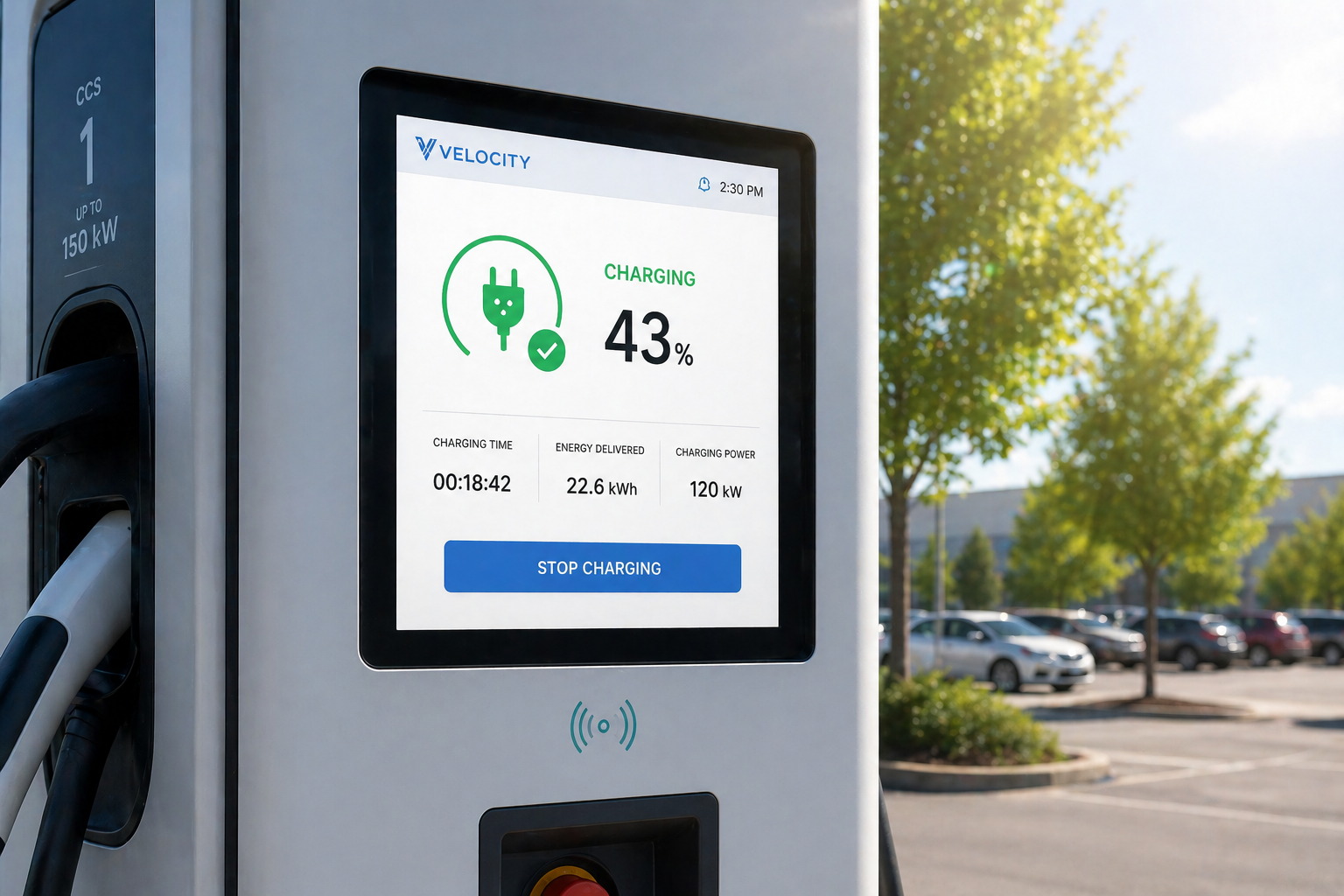
Brightness is the most important factor for sunlight readability. Standard indoor LCD displays typically operate around moderate brightness levels, which may not be sufficient in outdoor environments.
Outdoor displays often require significantly higher brightness levels to overcome strong ambient light. Achieving higher brightness usually involves increasing the number of LEDs in the backlight unit and improving thermal management.
However, increasing brightness also increases power consumption and heat generation. Engineers must design efficient backlight systems to maintain reliability and product lifespan.
Optical bonding is one of the most effective ways to improve sunlight readability. In a typical display module, there is an air gap between the LCD panel and the protective cover glass. This gap can cause internal reflections that reduce visibility.
Optical bonding eliminates the air gap by filling it with a transparent adhesive layer. This process reduces internal reflections and improves contrast in bright environments.
Additional benefits of optical bonding include:
Many outdoor display systems use optical bonding to significantly improve screen readability.
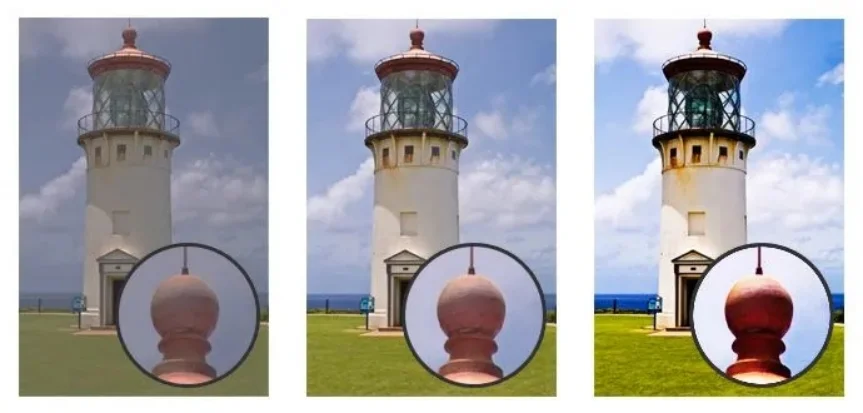
Reflections from sunlight or surrounding lighting can greatly affect display visibility. To reduce reflections, manufacturers often apply special surface treatments to the cover glass.
Two common solutions include:
Anti-Reflective (AR) coating
AR coatings reduce the amount of light reflected from the glass surface, improving contrast and visibility.
Anti-Glare (AG) coating
AG coatings scatter reflected light to reduce glare and improve readability in bright environments.
In many outdoor applications, both AR and AG treatments are used together to maximize visibility.
Different LCD technologies offer different performance characteristics. Choosing the correct panel technology can improve sunlight readability.
IPS panels are often preferred because they provide:
Wide viewing angles are particularly important in outdoor devices where users may view the screen from different positions.
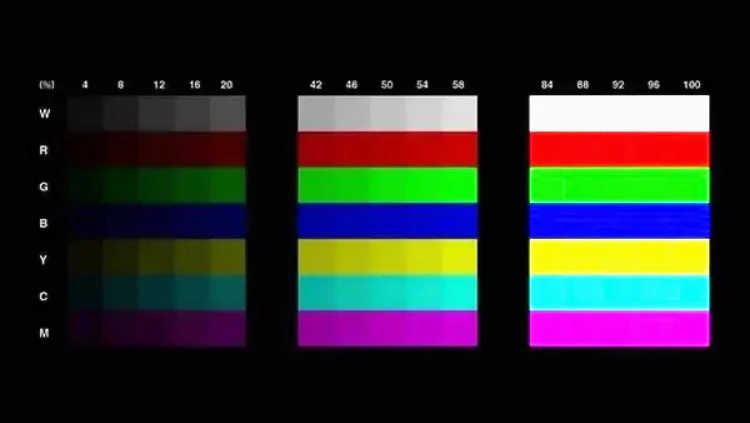
Contrast ratio is another key factor affecting display readability. Even with high brightness, poor contrast can make images difficult to distinguish under strong light.
Improving contrast involves optimizing several factors:
Higher contrast helps users distinguish text, graphics, and interface elements more clearly in bright environments.
Outdoor devices must operate under a wide range of environmental conditions. Temperature, humidity, and dust exposure can affect display performance.
Engineers should consider:
Industrial LCD modules designed for outdoor use often support extended temperature ranges and enhanced durability.
Designing sunlight readable LCD displays requires a combination of high brightness backlights, optical bonding, anti-reflective coatings, and proper display technology selection. By optimizing brightness, contrast, and optical performance, engineers can ensure that displays remain visible even under direct sunlight.
For OEM products used in outdoor environments, working with experienced LCD manufacturers can help achieve the right balance between readability, power efficiency, and long-term reliability.
Need a sunlight readable LCD display for outdoor equipment?
We provide customized display solutions for industrial and outdoor applications.
Our capabilities include:
RFQ Information
Please include the following information:
Our engineering team will recommend a suitable display solution.
M/P:+86 13723407430
Email us: sales@flyluckylcd.com
Custom LCD Design Guide for OEM Products
LCD Display Cost Breakdown: What Determines the Price of a TFT Display