
For OEM companies, the LCD display is not just a component—it is a critical part of the product that directly affects production timelines, product quality, and customer satisfaction.
However, in recent years, global supply chain instability has made LCD sourcing increasingly challenging. Many procurement teams have faced unexpected price increases, long lead times, sudden discontinuations, and inconsistent quality.
Understanding these risks—and more importantly, how to avoid them—is essential for building a stable and scalable supply chain.
This guide focuses on the most common LCD supply chain risks and provides practical solutions for OEM buyers and procurement managers.
LCD modules rely on multiple upstream components such as:
Shortages in any of these components can lead to extended lead times, sometimes exceeding several months. This directly impacts production schedules and delivery commitments.
Building a flexible sourcing strategy helps reduce dependency on unstable supply conditions.
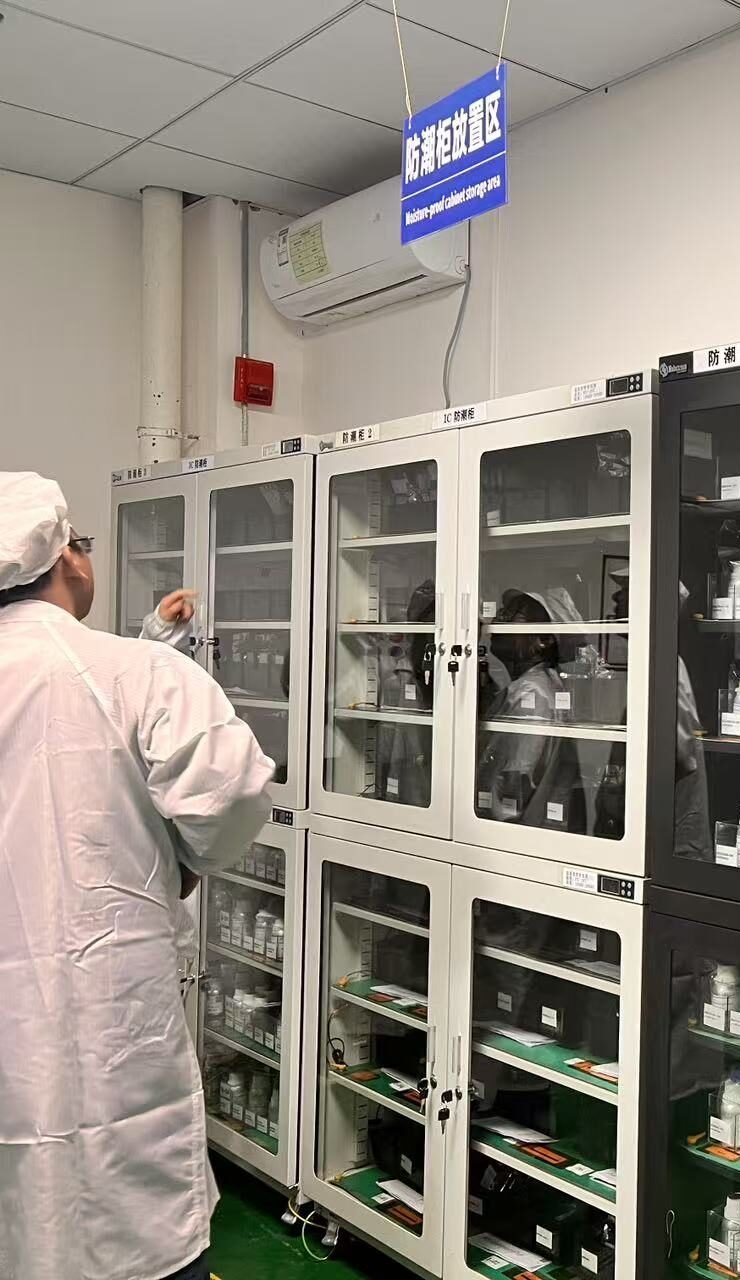
LCD pricing is influenced by raw materials, semiconductor supply, and market demand. Prices can change rapidly, especially during supply shortages.
Procurement teams often face:
Understanding cost structure helps buyers better control procurement budgets.
Many LCD modules—especially consumer-grade displays—have relatively short lifecycles. Manufacturers may discontinue products with limited notice.
This creates serious issues:
Proactive lifecycle planning is critical for long-term projects.
Not all LCD suppliers maintain consistent quality standards. Variations in brightness, color, or mechanical structure can lead to product inconsistency.
This can result in:
Stable quality is essential for scalable production.
Many OEM products require customized LCD modules. However, some suppliers only offer standard products with limited engineering support.
This leads to:
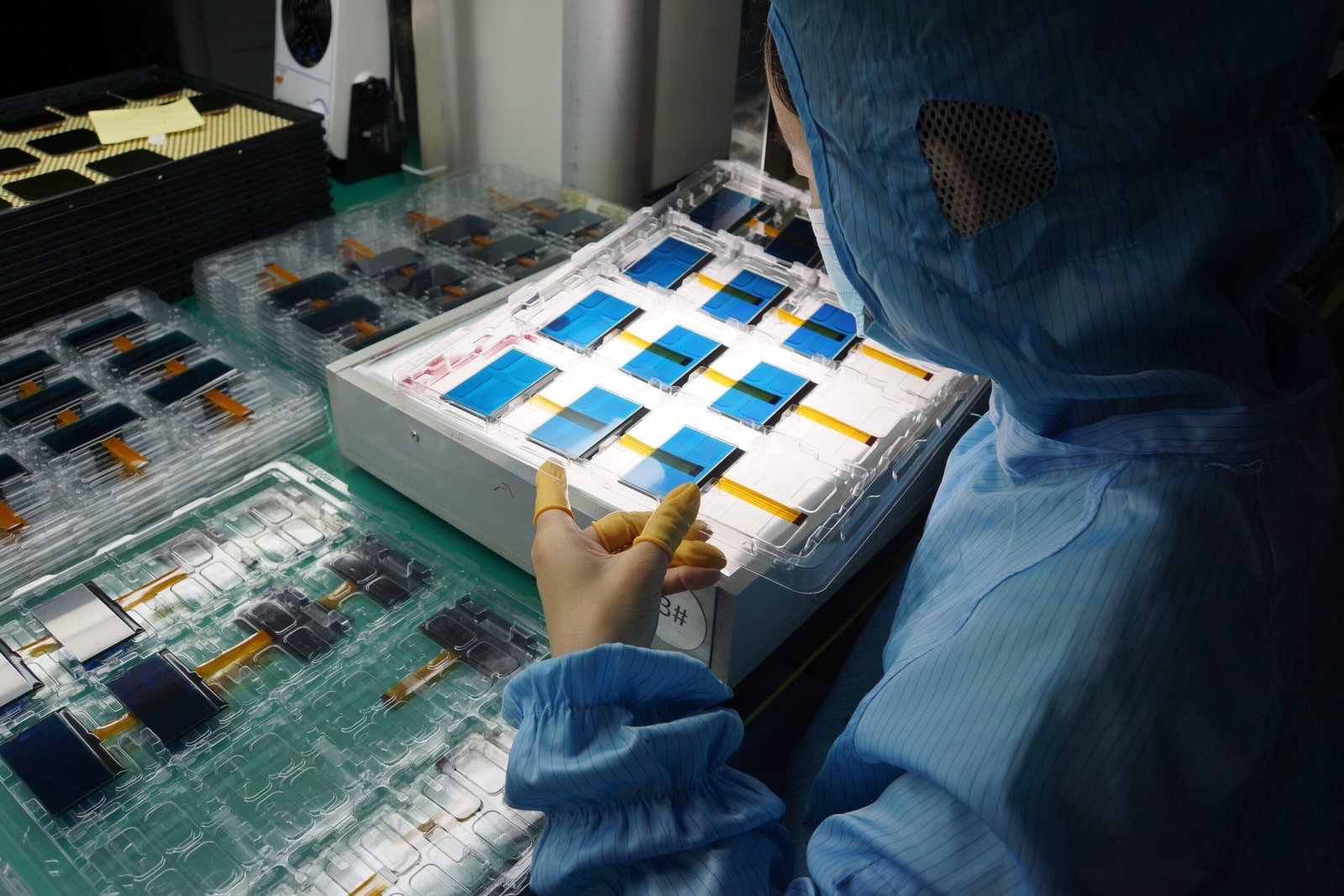
A capable supplier can significantly improve product development efficiency.
Relying on a single supplier increases risk exposure. Any disruption—whether technical or logistical—can halt production.
Multi-sourcing improves supply chain resilience.
To reduce risks and improve procurement efficiency, OEM companies should adopt a structured sourcing strategy:
A proactive approach helps prevent costly disruptions.
LCD supply chain risks can significantly impact product development and production. However, with the right strategies—such as long-term planning, supplier selection, and risk diversification—OEM buyers can build a stable and reliable sourcing system.
Choosing the right LCD partner is not just about price—it is about ensuring long-term supply stability, product quality, and business continuity.
Looking for a reliable LCD supplier with stable supply chain support?
We help OEM companies reduce supply risks and ensure long-term display availability.
Our strengths include:
RFQ Information
To help us support your project, please provide:
Our team will provide a reliable display solution tailored to your supply chain needs.
Displays for Medical Devices: Key Requirements
Industrial LCD Lifetime and Reliability: What Engineers Should Know