
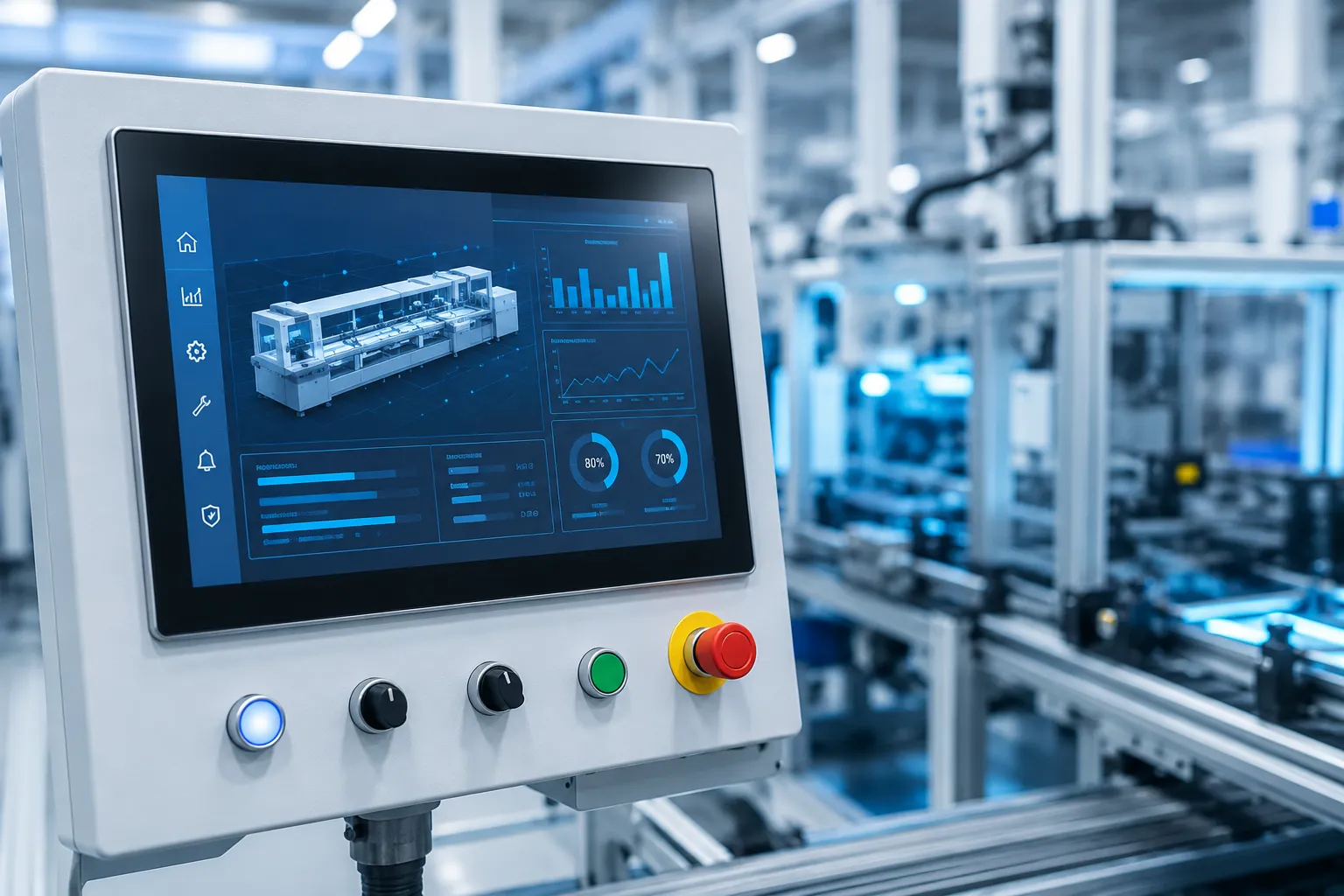
Industrial equipment is becoming more connected, visual and intelligent. In factories, energy systems, medical devices, logistics terminals and automation equipment, operators no longer rely only on buttons, indicator lights or simple character displays. They need clear graphical interfaces that can show machine status, alarms, production data, touch controls and real-time system feedback.
This is why the industrial HMI display is becoming a core part of modern machine interface design. Market research shows that the global industrial display market is expected to grow from USD 5.9 billion in 2024 to USD 8.66 billion by 2030, driven by multi-featured HMI devices, Industrial Internet of Things adoption and smart industrial displays.
At the same time, the broader embedded display market is also expanding. Persistence Market Research estimates the embedded display market will grow from USD 25.4 billion in 2026 to USD 41.3 billion by 2033, supported by automotive display integration, wearable health devices, smart automation and HMI-related applications.
For industrial equipment manufacturers, this means one thing clearly: the display is no longer only a visual component. It has become part of the user experience, machine safety, production efficiency and product competitiveness.
The rise of factory automation is one of the strongest reasons behind HMI display growth. Modern machines need to present more information in a smaller space, including:
Traditional buttons and LED indicators are no longer enough for many industrial systems. A TFT LCD module allows machine builders to create more intuitive and flexible interfaces.
Human Machine Interface market forecasts also show continued expansion. One 2026 market estimate values the HMI market at USD 7.29 billion in 2026 and expects it to reach USD 14.75 billion by 2033, with a projected CAGR of 10.6%.
This growth is closely related to digital transformation in manufacturing, smart factories, connected devices and the need for better operator-machine interaction.
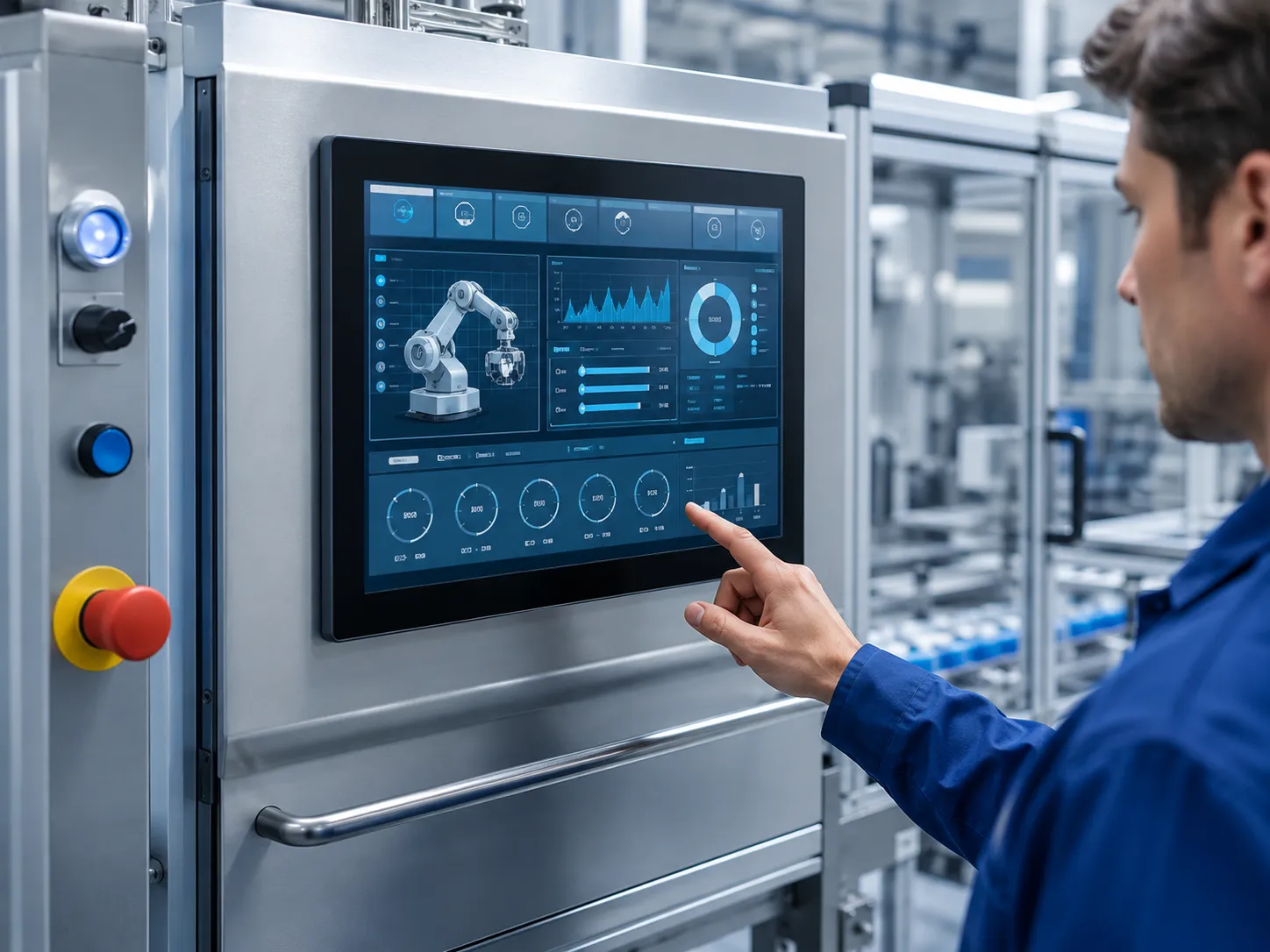
A TFT LCD module is widely used in industrial HMI because it offers a strong balance between performance, cost and customization flexibility.
Compared with simple monochrome displays, TFT LCD modules can show:
For machine interface design, this improves readability and reduces operation mistakes.
Industrial equipment often needs to communicate complex information quickly. A full-color TFT display allows different machine states to be shown clearly.
For example:
This visual design helps operators understand machine conditions faster.
A physical button panel is difficult to change once the product design is finalized. However, a TFT LCD interface can be updated through software.
This allows equipment manufacturers to create:
For global B2B equipment projects, this flexibility is very valuable.
Industrial products usually require stable supply over several years. TFT LCD technology has a mature supply chain, wide size availability and relatively predictable cost structure.
This makes TFT LCD modules suitable for:
Touch control is becoming more common in industrial HMI systems. Many machine builders are replacing mechanical keys with industrial touch screen interfaces because touch panels can reduce mechanical wear and support more flexible operation.
Common touch technologies include:
Capacitive touch screens offer a smooth user experience and support modern interface design. They are commonly used in equipment where clean appearance and fast response are important.
They are suitable for:
Resistive touch screens are still used in some industrial applications because they can work with gloves, styluses or different touch materials.
They may be suitable for:
The best choice depends on the actual application environment, operating habits and reliability requirements.
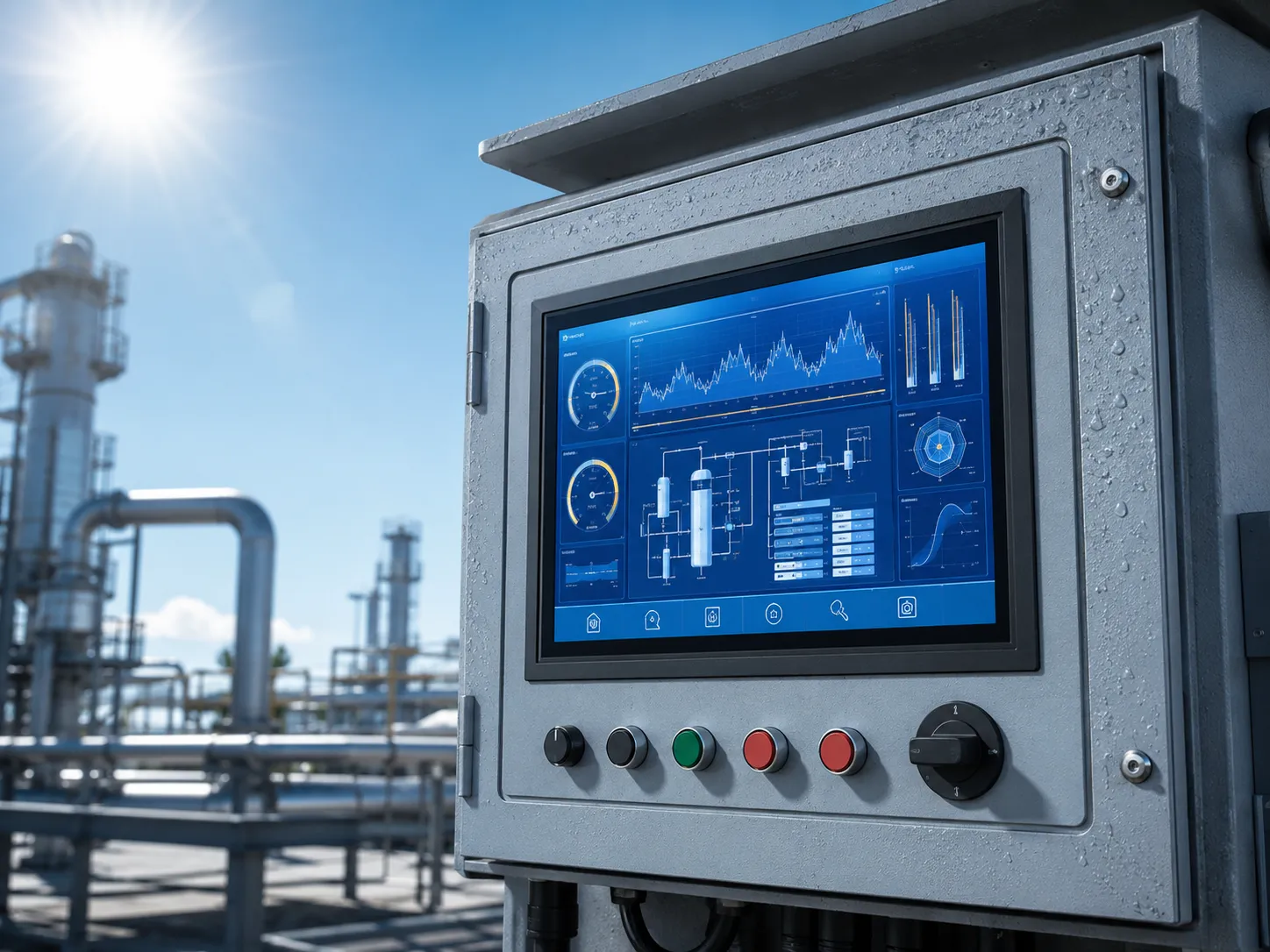
Industrial displays are often used in environments with strong ambient light. If the display brightness is too low, operators may not read important information clearly.
A high brightness TFT LCD can improve visibility in:
For outdoor or semi-outdoor applications, engineers may also need to consider:
Brightness is not only a specification. It affects safety, user experience and operating efficiency.
Industrial equipment may operate under very different temperature conditions. A display used in a factory floor, outdoor cabinet, vehicle terminal or energy system may face high heat, low temperature or long operating hours.
A wide temperature LCD helps improve reliability in demanding environments.
Some industrial TFT LCD modules are increasingly specified with wider operating temperature ratings, such as -40°C to +85°C, especially for harsh industrial, outdoor and automotive-related applications.
For machine interface design, engineers should evaluate:
A display that works well in a normal office test may not always perform reliably in real industrial conditions.
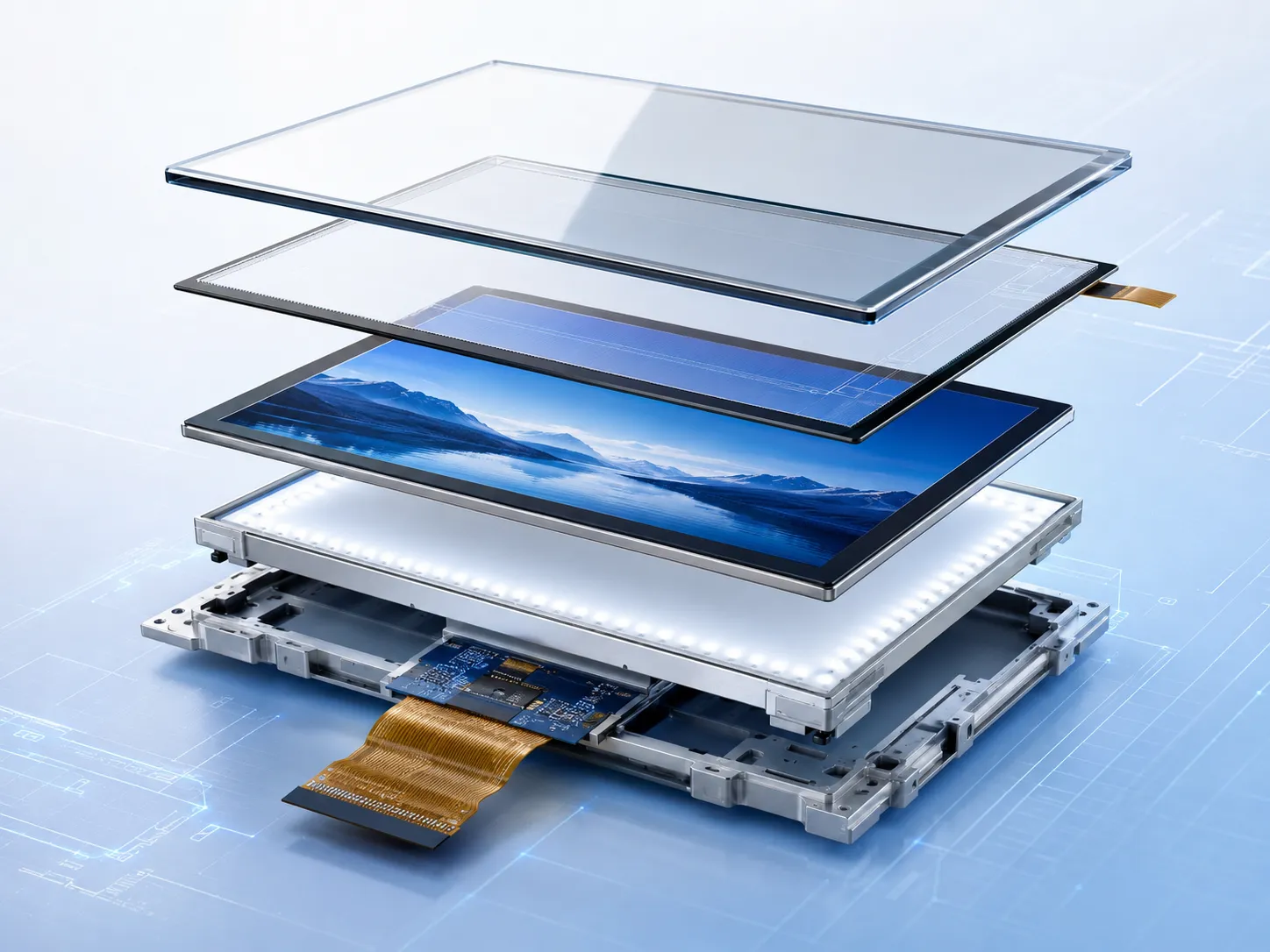
Many industrial HMI projects require customization. A standard display may not fully match the mechanical, electrical or environmental needs of the final equipment.
Common customization options include:
Industrial equipment may require different sizes depending on the user interface and installation space.
Common HMI display sizes include:
Different control boards may require different interfaces, such as:
Choosing the right interface affects development complexity, refresh rate, wiring design and system cost.
Backlight customization is important when the equipment requires special brightness, low power consumption or long lifetime.
A custom backlight design may include:
Touch and cover glass customization can improve durability and user experience.
Options may include:
A good HMI display helps operators work faster and make fewer mistakes.
Clear visual feedback helps operators confirm machine status quickly. This is especially important in systems involving alarms, process control or safety-related operations.
A TFT LCD interface can display troubleshooting messages, error logs and maintenance reminders. This helps technicians identify problems faster.
As IIoT and smart manufacturing develop, machines need to display more data locally. A TFT LCD module helps convert data into readable charts, dashboards and status pages.
For B2B buyers and engineers, choosing the right display supplier is not only about price. It is also about engineering support, quality control and long-term supply.
A professional TFT LCD module manufacturer should support:
For industrial projects, it is better to involve the display supplier early in the design process. This can reduce redesign risk and improve project efficiency.
An industrial HMI display is a screen used for human-machine interaction in equipment, control panels, automation systems and industrial devices.
TFT LCD modules provide full-color graphics, flexible UI design, stable supply, cost control and broad customization options.
Common sizes include 3.5 inch, 4.3 inch, 5 inch, 7 inch and 10.1 inch, depending on the equipment design and UI complexity.
Yes, capacitive touch is suitable for many modern industrial HMI applications, especially where fast response and clean interface design are required.
Engineers should consider brightness, viewing angle, operating temperature, touch technology, interface type, mechanical size, backlight lifetime and supplier support.
Industrial HMI display trends show that machine interfaces are becoming smarter, more visual and more connected. As automation systems continue to evolve, display modules must support clearer information, easier operation and more reliable performance.
TFT LCD modules remain one of the most practical display solutions for industrial HMI applications because they offer strong visual performance, mature production, flexible customization and cost-effective long-term supply.
For machine builders, automation equipment manufacturers and industrial system integrators, selecting the right TFT LCD module is not only a component decision. It is part of building a better machine interface, improving operator experience and increasing product reliability.
UART Debugging Pitfalls Every Embedded Engineer Eventually Encounters
CCFL vs WLED: Why Modern TFT LCD Modules Depend on LED Backlight Technology
Designing HMI Interfaces with 4.3″ and 7″ Displays: UI/UX Best Practices
How to Choose Between 4.3″ and 7″ TFT Displays for Industrial Control Systems
What is TFT Technology? A Complete Guide to Modern Display Driving