
In high-usage industrial, automotive, or consumer electronics, display longevity isn’t just about durability—it’s about how displays degrade. Two common aging issues are burn-in (for OLEDs) and backlight fade (for LCDs). As a B2B buyer, understanding these mechanisms helps you select the right technology for long-life, high-volume deployments.
This article compares burn-in vs. backlight fade, offering a practical breakdown for engineers, integrators, and OEM buyers considering FlyLucky’s TFT LCD modules or exploring OLED options.
| Attribute | OLED | TFT LCD |
|---|---|---|
| Degradation Type | Burn-in (image retention) | Backlight dimming over time |
| Visual Impact | Permanent ghost image, color shift | Gradual brightness loss |
| Typical Lifetime (24/7 use) | 10,000–30,000 hours | 30,000–50,000+ hours (replaceable BL) |
| Static Content Risk | High (logos, buttons) | None |
| Replaceable Component | No (panel-integrated pixels) | Yes (LED backlight) |
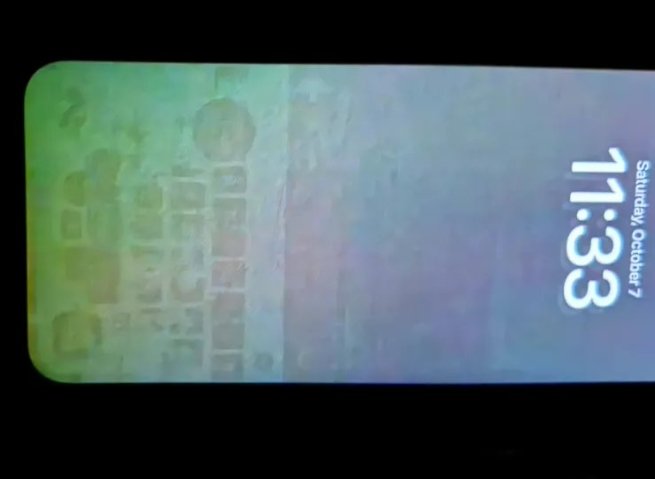
Burn-in, or image retention, occurs when static elements (e.g. icons, text, borders) are displayed too long. Organic pixels age unevenly, leaving behind permanent “ghost” patterns. This is especially problematic for:
Security monitors with fixed UI
EV charging UIs with static layout
Medical equipment that displays fixed values
Burn-in is cumulative and irreversible.
LCDs use an LED backlight to illuminate the screen. Over time, these LEDs naturally dim, but the panel pixels remain intact. Fade is uniform and gradual, without pattern distortion.
✅ Most FlyLucky TFT LCD modules support backlight brightness up to 1200 nits and are rated for 30,000–50,000 hours. With proper design, backlight units are replaceable.
| Application Area | Preferred Tech | Why |
| Industrial control panels | TFT LCD | No burn-in with static UI |
| Outdoor kiosks | TFT LCD | High brightness, replaceable backlight |
| Medical monitoring | TFT LCD | Displays static metrics, needs stability |
| Premium mobile gadgets | OLED | Better contrast for short lifespan devices |
| Automotive clusters | TFT LCD | High-heat & durability advantage |
No Image Retention: Display remains clean even after years of static use.
Modular Maintenance: Backlight can be upgraded or replaced independently.
Longer Lifecycle: Lower brightness decay rate in industrial-grade designs.
Thermal Resistance: LCDs withstand heat better—important for dashboards or factory setups.
✅ Modules rated at 30,000–50,000+ hours
✅ High-brightness LED backlights with efficient thermal design
✅ Optional dimming control for extended service life
✅ Optical bonding and coating for anti-reflective durability
If your display will operate under:
🔁 Continuous use
🧊 Harsh temperatures
🧩 Static layouts/UI
Then TFT LCD is the longer-lasting, lower-risk choice.
OLED is best reserved for short-life consumer gadgets, flexible screens, or premium handhelds.
Q: Can OLED burn-in be fixed?
A: No. Some devices try pixel-shifting or dimming, but damage is permanent.
Q: Can I replace the LCD backlight?
A: Yes, many FlyLucky models allow LED backlight replacement to extend lifespan.
Q: Is OLED cheaper in the long term?
A: No. OLED’s shorter life and non-repairable degradation often increase TCO.