
In the ever-evolving world of display technology, OLED has been heralded as a game-changer—offering vibrant color, ultra-thin designs, and perfect blacks. But does the rise of OLED mean the decline of LCD?
Not quite.
Instead, OLED’s rapid development has accelerated the innovation of TFT LCD modules, pushing manufacturers like FlyLucky to create brighter, thinner, more energy-efficient, and more versatile displays than ever before.
This article explores how OLED technology influences LCD module design, performance, and application trends, particularly in industrial, medical, and embedded systems.
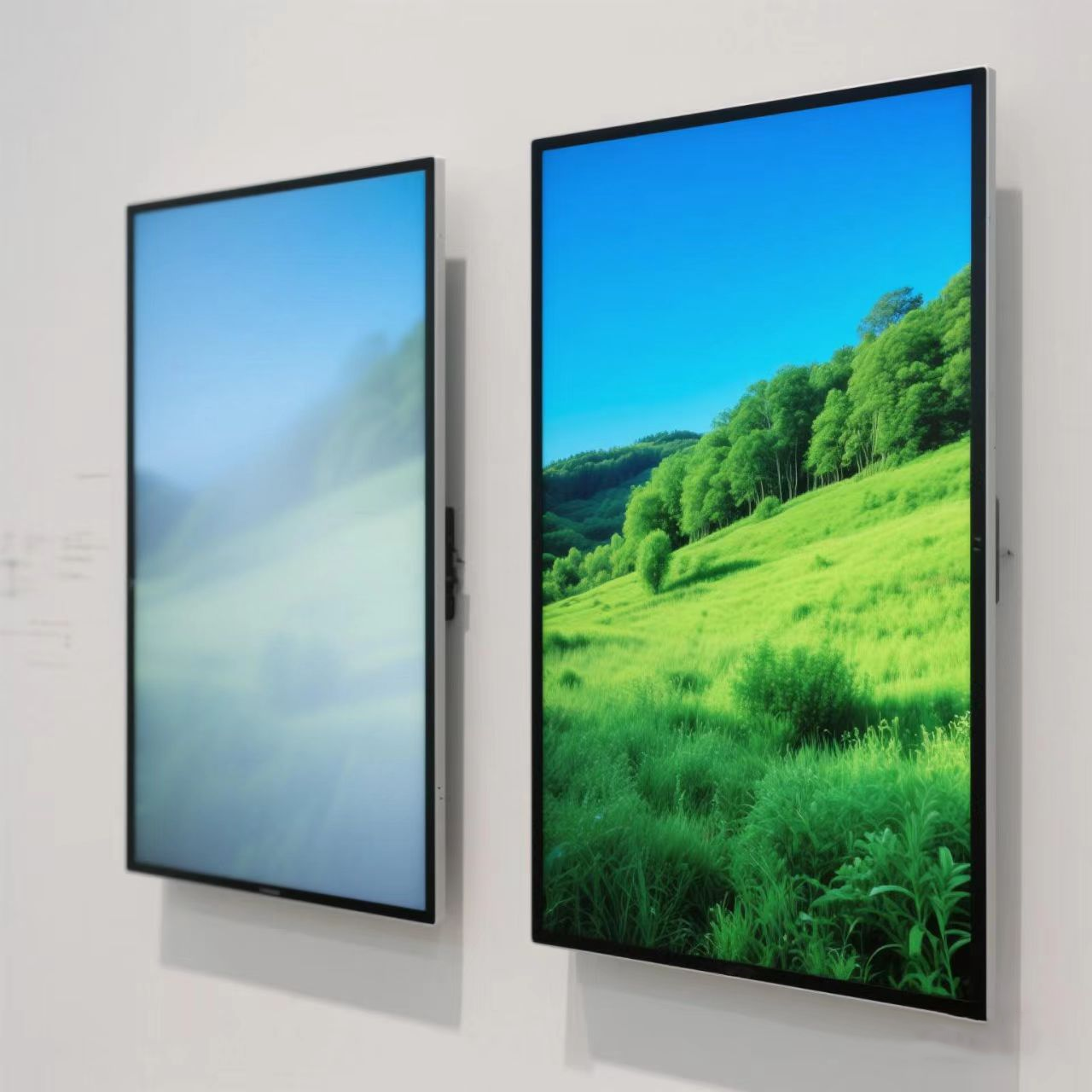
| Feature | OLED Technology | TFT LCD Modules |
|---|---|---|
| 🖼️ Color & Contrast | Excellent contrast, deep blacks | Improved with IPS & enhanced backlights |
| 💡 Brightness | Limited in outdoor conditions (~600 nits) | Up to 1000+ nits, sunlight-readable |
| ♨️ Temperature Resistance | Sensitive to cold/heat | -30°C to +85°C standard with FlyLucky |
| 💰 Cost & Scalability | High cost per unit | Cost-effective, scalable production |
| 🔋 Power Consumption | Efficient for dark UI, but unstable long-term | Optimized with LED dimming and low-power drivers |
| ⏳ Lifespan | Burn-in risks over time | Over 50,000 hours stable use |
| 🔧 Customization | Limited shape/size flexibility | Highly customizable TFT LCD formats |
OLED’s growth drove LCD manufacturers to:
FlyLucky’s IPS TFT LCDs now offer 170° wide viewing angles, richer colors, and anti-glare films—closer to OLED visual quality but with better durability.
With OLED pushing ultra-slim formats, LCDs now support slimmer bezels, COG (Chip-on-Glass) modules, and ultra-thin backlights.
OLED’s low consumption inspired better LED backlight systems, PWM dimming, and sleep modes in TFT LCDs—ideal for portable and IoT use.
OLED panels often have in-cell touch. In response, LCDs evolved with full lamination, G+G, and G+F+F touch stacks, improving clarity and interaction.
Our 800–1000+ nits modules rival OLED in clarity under sunlight—essential for outdoor kiosks and industrial terminals.
FlyLucky LCDs work in harsh environments, unlike OLEDs that degrade in heat, cold, or UV-heavy locations.
From 2.4” to 10.1”, we offer tailored interface (SPI, MCU, RGB, MIPI), shape, brightness, and touch—unlike OLED’s rigid formats.
FlyLucky provides ISO-certified TFT LCD production with reliable long-term supply—critical for B2B clients.
OLED dominates fashion-focused wearables, but FlyLucky’s low-power TFTs are chosen for rugged smart bands & fitness devices.
LCDs remain dominant due to burn-in risks on OLED. Our IPS TFTs deliver color accuracy and readability for vital signs monitors.
OLED isn’t suitable for UV and temperature extremes. FlyLucky TFTs provide extended lifespan & full visibility in sunlight.
OLED leads in high-end devices. For mass-market and cost-sensitive systems, FlyLucky LCDs balance clarity and price.
1️⃣ Evaluate Environment
If your device faces heat, dust, or direct sunlight → TFT LCD wins
2️⃣ Determine Lifespan Need
OLEDs risk burn-in. For long-term use → LCD preferred
3️⃣ Match Budget & Customization
OLEDs are limited in flexibility. Need multi-interface, special size? → FlyLucky LCD modules
4️⃣ UI & Content Type
OLED suits dynamic video content. For static dashboards, LCD avoids ghosting
Q: Is OLED better than LCD in all cases?
A: Not for industrial or static applications. LCDs are more reliable, customizable, and rugged for long-term use.
Q: Are LCDs catching up to OLED in quality?
A: Yes—FlyLucky’s IPS TFT modules offer comparable color, brightness, and clarity with longer life.
Q: Does FlyLucky offer hybrid OLED solutions?
A: We focus on TFT LCD modules, but we collaborate with clients needing both OLED and LCD in system integration.
FlyLucky — Smarter Displays for Smarter Devices
OLED may have changed the game, but LCDs are still in it—and stronger than ever. By leveraging OLED-driven innovation, FlyLucky continues to evolve TFT LCD modules that power embedded, industrial, and smart applications—with better value, longer life, and full customization.
👉 Monochrome OLED vs. TFT LCD: Choosing the Right Display for Your Application