
Marine environments are among the harshest settings for electronic equipment. Displays on boats, ships, and offshore platforms must withstand extreme sunlight, saltwater, humidity, and wide temperature variations. Choosing the right marine LCD display is critical to ensuring long-term reliability and clear visibility. But what kind of LCD is best for marine applications? Let’s explore the key factors.
One of the biggest challenges in marine environments is direct sunlight. Standard LCDs often wash out under bright light, making navigation or control screens difficult to read.
📌 Core keywords: sunlight readable LCD, high brightness TFT LCD, marine sunlight display
Boats and ships expose displays to splashes, rain, and saltwater spray. A reliable waterproof LCD module with IP65 or higher rating is necessary.
📌 Core keywords: waterproof LCD screen, rugged marine LCD, IP65 display for boats
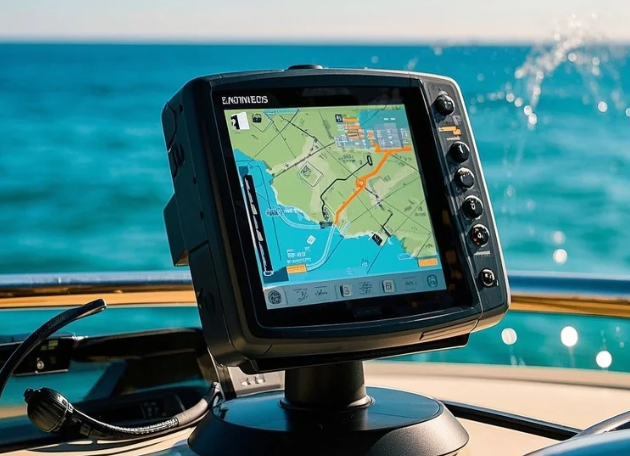
Marine environments vary from hot tropical decks to freezing offshore conditions. A wide temperature TFT LCD ensures performance in both extremes.
📌 Core keywords: wide temperature LCD module, rugged LCD display, marine-grade TFT
Onboard equipment experiences constant vibrations from engines and waves. Displays should use reinforced glass and rugged mounting to withstand shocks.
📌 Core keywords: rugged LCD display, vibration-resistant LCD, marine control panel display
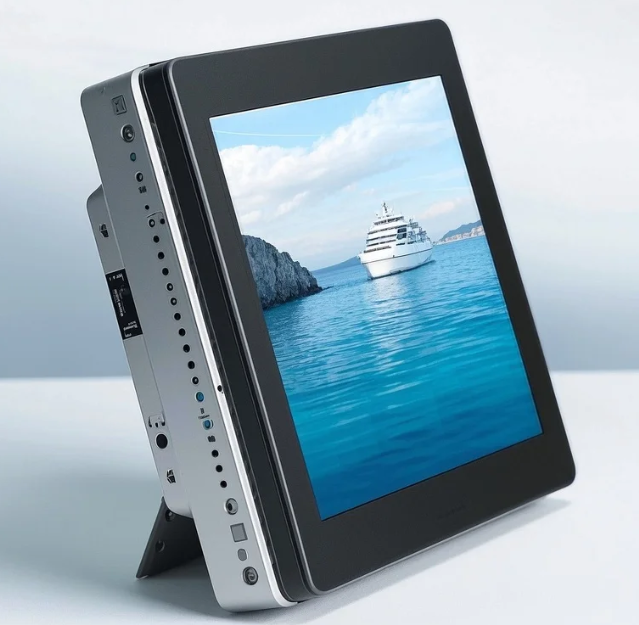
Modern boats and yachts increasingly adopt touch screen LCDs for navigation, control, and entertainment systems. However, marine touchscreens need special adaptations:
📌 Core keywords: marine touch screen LCD, capacitive waterproof display, TFT LCD for boats
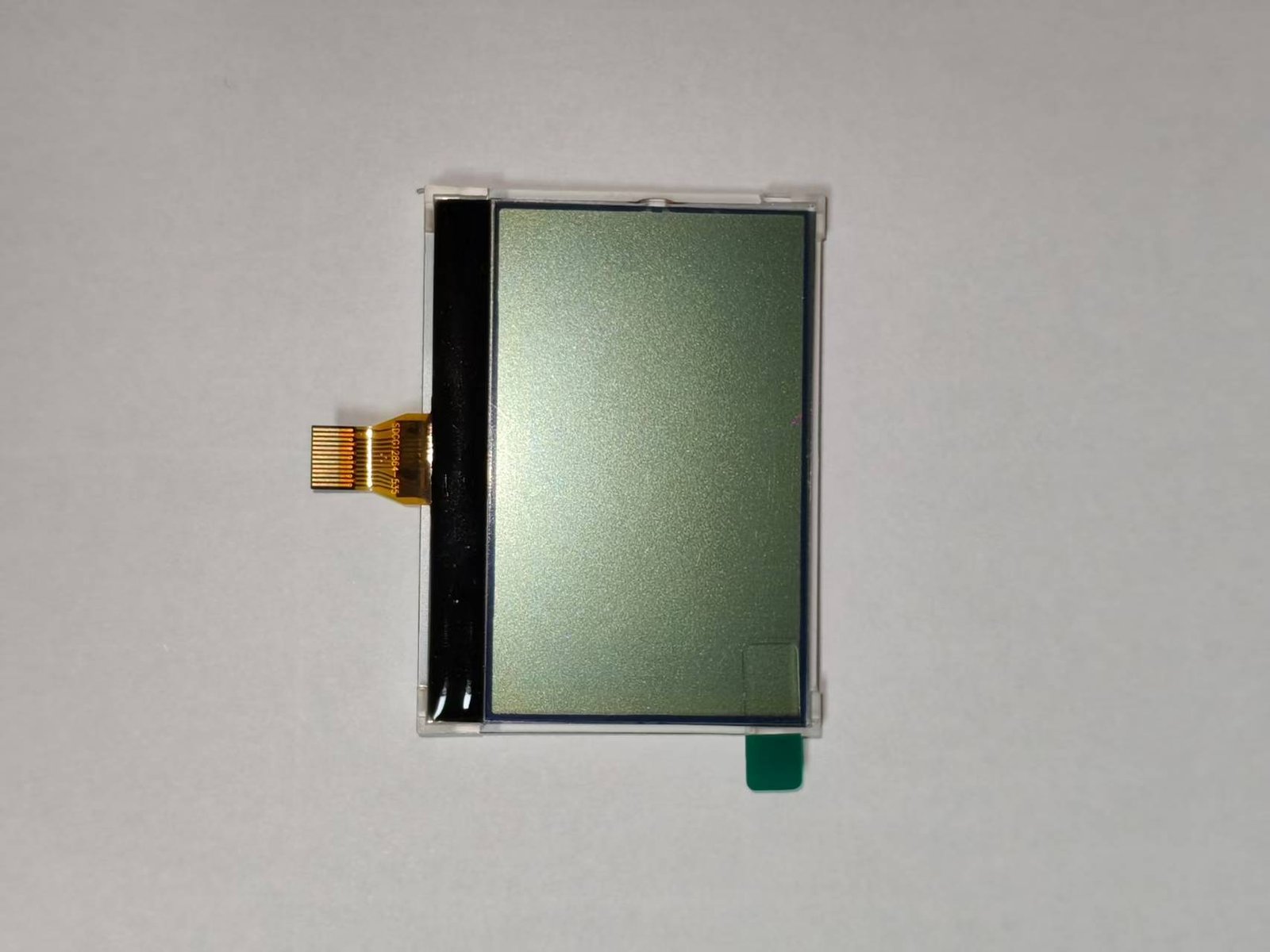
When selecting an LCD for marine applications, it’s important to prioritize sunlight readability, waterproofing, wide temperature operation, and rugged durability. A high-brightness TFT LCD with IP65+ protection is often the best solution for boats, ships, and offshore equipment.
Choosing the right marine-grade LCD display not only enhances visibility and safety but also ensures long-term reliability in one of the toughest environments on Earth.