Table of Contents

  1. Introduction
  2. Key Display Requirements for Drone Controllers
  3. Types of LCD Modules Suitable for Drones
    • TFT LCD Modules
    • Monochrome LCDs
    • AMOLED & PMOLED Options
  4. Critical Features to Consider
    • Brightness & Outdoor Readability
    • Wide Temperature Range
    • Low Power Consumption
    • Touch Screen Integration
    • Interface Compatibility
  5. Applications in Drone Control Systems
  6. Choosing the Right Supplier
  7. Conclusion
  8. FAQ

Introduction

Drone technology has advanced rapidly, with applications ranging from aerial photography and agriculture to industrial inspections and military operations. At the heart of every drone controller is a reliable LCD module that ensures real-time data visualization, smooth navigation, and user-friendly control. Selecting the right display is essential for performance, durability, and pilot safety.

This article explores which LCD modules are ideal for drone controllers, their technical requirements, and how to make the right choice for your specific drone application.


Key Display Requirements for Drone Controllers

Drone controllers require displays that balance performance, efficiency, and durability. The main requirements include:
  • Outdoor readability under direct sunlight.
  • Durability to handle vibrations and field conditions.
  • Wide operating temperature for outdoor environments.
  • Low power consumption for extended battery life.
  • Compact design suitable for handheld devices.

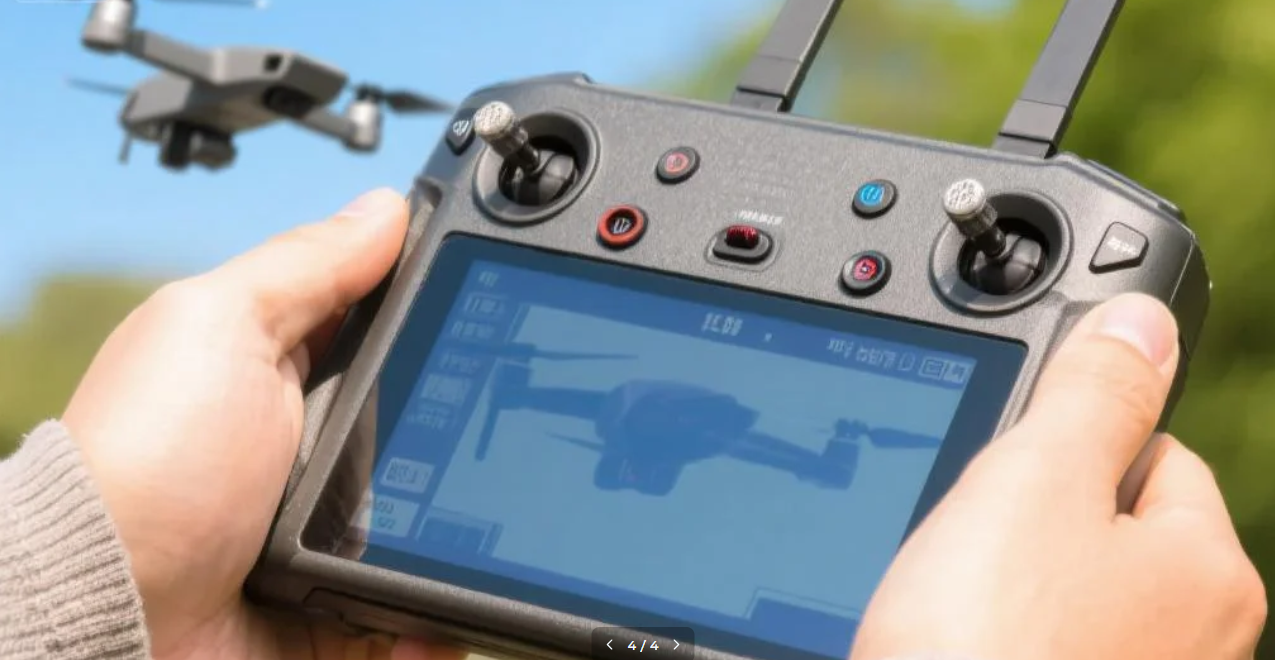
drone remote control

Types of LCD Modules Suitable for Drones

1. TFT LCD Modules

  • Best choice for drone controllers.
  • Offer high resolution, vivid colors, and wide viewing angles.
  • Available in 2.0″–5.0″ sizes, perfect for handheld transmitters.
  • Support capacitive or resistive touchscreens for interactive control.

Advantages:

  • Excellent outdoor visibility with high brightness (800–1200 nits).
  • Flexible interface support (SPI, MCU, RGB, MIPI).
  • Robust and customizable.

2. Monochrome LCDs

  • Suitable for low-cost or basic drone controllers.
  • Consume very little power.
  • Work well in text-based data display (altitude, battery level).

Limitations:

  • No color or video support.
  • Narrow viewing angles.
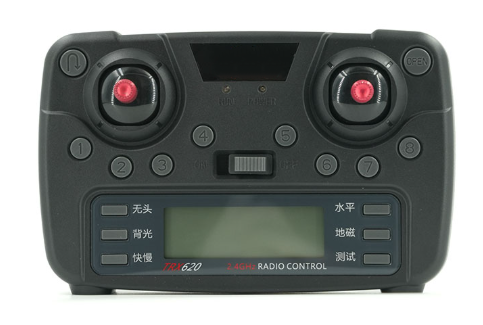
drone remote control

3. AMOLED & PMOLED Modules

  • Used in premium drone controllers requiring sharp contrast.
  • Lightweight and energy-efficient for certain UI elements.
  • However, they have shorter lifespans in outdoor environments compared to TFT LCDs.

Critical Features to Consider

Brightness & Outdoor Readability

Drone controllers are often used in daylight conditions. Displays should reach 800–1200 nits to ensure clear visibility.

Wide Temperature Range

Controllers must function in –20°C to 70°C or wider. Industrial-grade LCD modules offer this stability.

Low Power Consumption

Power efficiency ensures that the drone and controller batteries last longer, especially important for long-range operations.

Touch Screen Integration

  • Capacitive touch for smooth gestures and multi-touch support.
  • Resistive touch for rugged outdoor use with gloves.

Interface Compatibility

Choose LCDs with flexible interfaces (SPI, MCU, RGB, MIPI, LVDS) to integrate with microcontrollers like STM32 or ESP32 commonly used in drone controllers.


Applications in Drone Control Systems

  • Consumer Drones → Compact TFT LCD modules with touch.
  • Agricultural Drones → Rugged wide-temperature TFTs for field conditions.
  • Industrial Inspection Drones → High-brightness displays for real-time video.
  • Military & Security Drones → Secure, durable LCDs with anti-glare coating.

Choosing the Right Supplier

When sourcing LCD modules for drone controllers, consider:

  • Customization options (brightness, touch integration, size).
  • Reliability tests (vibration, shock, and sunlight resistance).
  • OEM/ODM support for large-scale production.
  • Warranty and technical support.

Working with a trusted supplier ensures long-term stability and reduces the risk of controller failure in critical applications.


Conclusion

The ideal LCD module for a drone controller depends on the application, environment, and budget. For most use cases, TFT LCD modules are the best choice thanks to their balance of clarity, durability, and customization options.

By selecting the right LCD with features such as high brightness, wide temperature range, and low power consumption, drone manufacturers can significantly enhance both the pilot experience and the operational reliability of drones.


FAQ

Q1: What screen size is most common for drone controllers?
A: Typically 2.4” to 5.0” TFT LCD modules are used, depending on controller design.

Q2: Why are TFT LCDs preferred over AMOLED for drones?
A: TFTs are more durable in outdoor conditions, provide consistent brightness, and have longer lifespans.

Q3: Can LCD modules be customized for specific drone brands?
A: Yes, suppliers can provide custom brightness, interfaces, and touch solutions tailored to OEM needs.

Q4: How do I ensure visibility under direct sunlight?
A: Select an LCD with 800+ nits brightness and anti-glare coating.

Q5: Do drone LCDs support touch control?
A: Yes, both capacitive (multi-touch, smooth UI) and resistive (rugged outdoor) options are available.

👉What Kind of LCD is Best for Marine Applications?

Ask For A Quick Quote

We will contact you within 1 working day, please pay attention to the email with the suffix “sales@flyluckylcd.com”