
Introduction
In industrial, automotive, and medical products, the display module is both a key functional element and a major supply-chain risk. A seemingly cheap panel that becomes EOL, experiences spec drift, or shows quality variation in mass production can cost your project orders of magnitude more in rework and delays. This guide provides a practical supplier-evaluation checklist usable by both engineers and purchasing teams to minimize supply risk.
1. Define the Core Capabilities You Need
Before issuing RFI/RFQ, clarify internally:
- Panel type (TFT / STN / PMOLED / OLED / MicroLED)
- Size, resolution & interface (e.g., 5″, 7″ / 800×480 / MIPI / LVDS)
- Environmental specs (operating temp, IP rating, vibration)
- Lifecycle expectation (5, 7+ years)
- Customization scope (mechanical, FPC, touch, optical bonding)
2. Technical & Quality Verification (Engineering)
Request and validate:
- Complete datasheet and reference schematics
- Sample test reports (temperature, vibration, humidity, lifetime)
- Backlight aging data (brightness vs. time)
- EMC/EMI reports (if applicable)
- Factory audit evidence / quality certifications (ISO/IATF)
- PCN / EOL change management policy
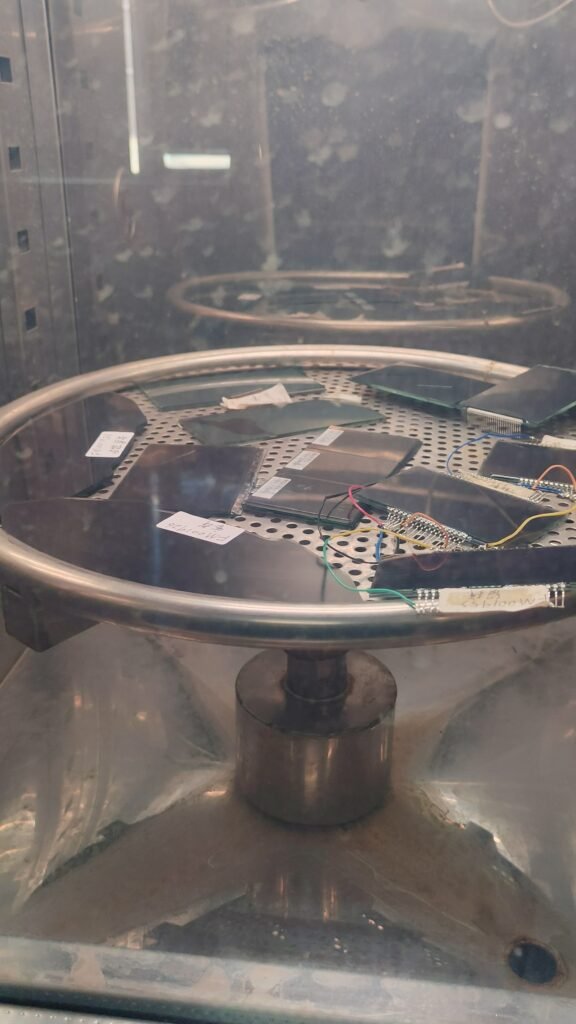
Engineer check: run a bring-up checklist on samples — power sequencing, inrush, display init, low-temp response, night-time readability.
3. Supply Chain & Commercial Capabilities (Procurement)
Key procurement checks:
- MOQ & tiered pricing
- Lead times & max lead times
- Production capacity & monthly throughput
- Second-source feasibility
- Payment terms & warranty
- On-time delivery (OTD) and returns policy
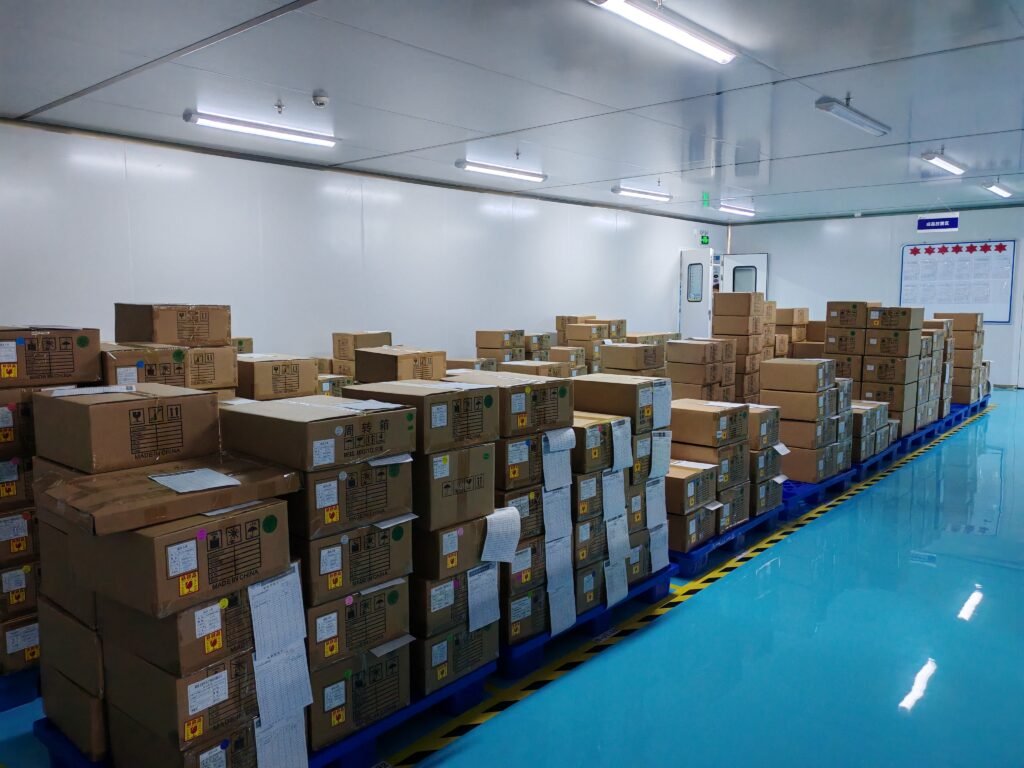
4. Risk Management: EOL, PCN & Second Source
- Request EOL lead time (recommend ≥12 months)
- Ask about pin-to-pin or firmware-compatible alternates
- Negotiate safety stock / buffer stock in long-term supply agreements
5. Quality Control & Factory Audit Items
Check:
- Cleanroom / dust control (if optical bonding)
- Test equipment list (integrating sphere, aging chambers, vibration table)
- Quality systems (ISO9001 / IATF16949 / ISO13485)
- Incoming & outgoing inspection procedures (AQL, FAT)
6. Pilot Runs & Sample Validation
- Sample validation: functional and stress testing (72–168 hours)
- Pilot production: 100–1000 pcs to verify production stability
- FAI: electrical, optical, mechanical acceptance criteria
7. Contractual Recommendations
Make sure contract covers:
- Delivery schedule & production ramp
- Warranty & liability clauses
- PCN / EOL notification timelines
- Price protection & revision clauses
8. Red Flags & Green Flags
Red flags
- No test data or refusal for factory audit
- No PCN / EOL policy
- Unverifiable lead time or insufficient capacity
Green flags
- Explicit lifecycle commitments and alternate sourcing
- Third-party certifications and strong test reports
- Good OTD records and capacity transparency
Conclusion & Actionable Checklist
Treat engineering validation (sample tests) and procurement clauses (lead time, replacements, warranty) as equally decisive. Below is a copy-ready checklist for RFI/RFQ.
Engineering checklist (must-have): Datasheet, backlight aging curve, EMC report, thermal & vibration reports, driver IC part numbers.
Procurement checklist (must-have): MOQ & lead time, safety stock policy, PCN & EOL notice period, warranty & RMA terms.
How to Choose the Right LCD for Industrial and Medical Devices
Display Interface & Controller Compatibility in Vehicle Display Systems
Environmental Reliability & Testing Standards for Vehicle Display Systems