
In the ever-growing world of DIY electronics and Internet of Things (IoT) projects, the ESP32 has proven itself to be one of the most versatile microcontrollers available. Known for its built-in WiFi and Bluetooth capabilities, low power consumption, and affordability, the ESP32 is a favorite among hobbyists, makers, and developers.
When paired with a TFT LCD display module, the ESP32 can transform into a powerful handheld gaming console capable of running real-time multiplayer games over WiFi. This combination opens the door to retro-inspired gameplay, custom arcade projects, and even educational tools that teach coding through interactive entertainment.
This article will explore how to build an ESP32 WiFi Gaming Console with a TFT screen, what components are needed, how real-time multiplayer works, and why this setup is perfect for both personal and commercial applications.
The ESP32’s technical specifications make it ideal for building a compact yet powerful gaming device:
These features allow developers to focus on game logic and graphics while relying on the ESP32’s built-in wireless capabilities for multiplayer features.
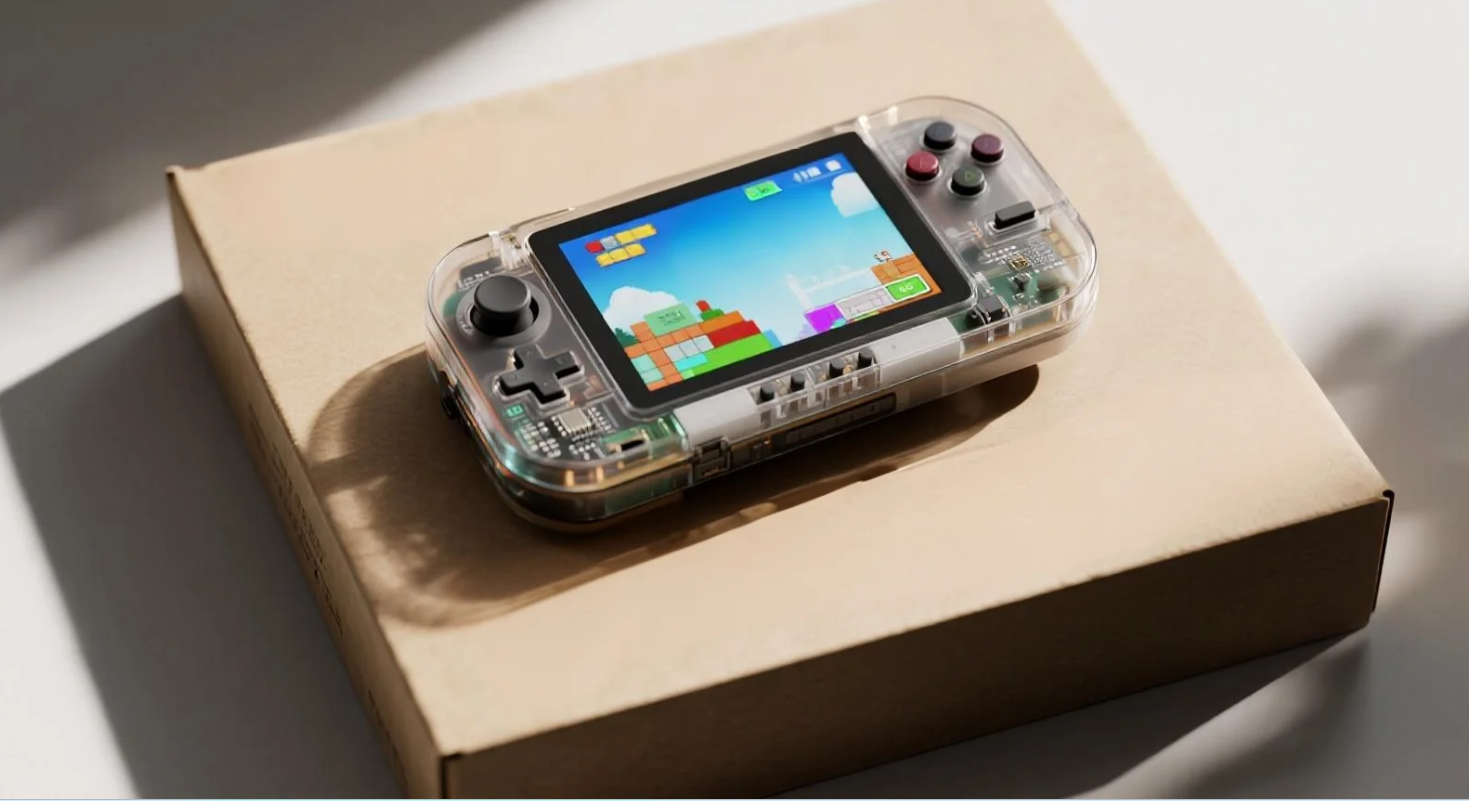
A TFT (Thin-Film Transistor) LCD display is the visual heart of your ESP32 gaming console. Unlike monochrome displays, TFT screens can render vibrant colors, smooth animations, and detailed game assets.
Key TFT benefits for gaming projects:
Popular options include SPI-based TFT modules such as the ILI9341 or ST7789, which are well-supported by Arduino and MicroPython libraries.
To create your own console, you’ll need:
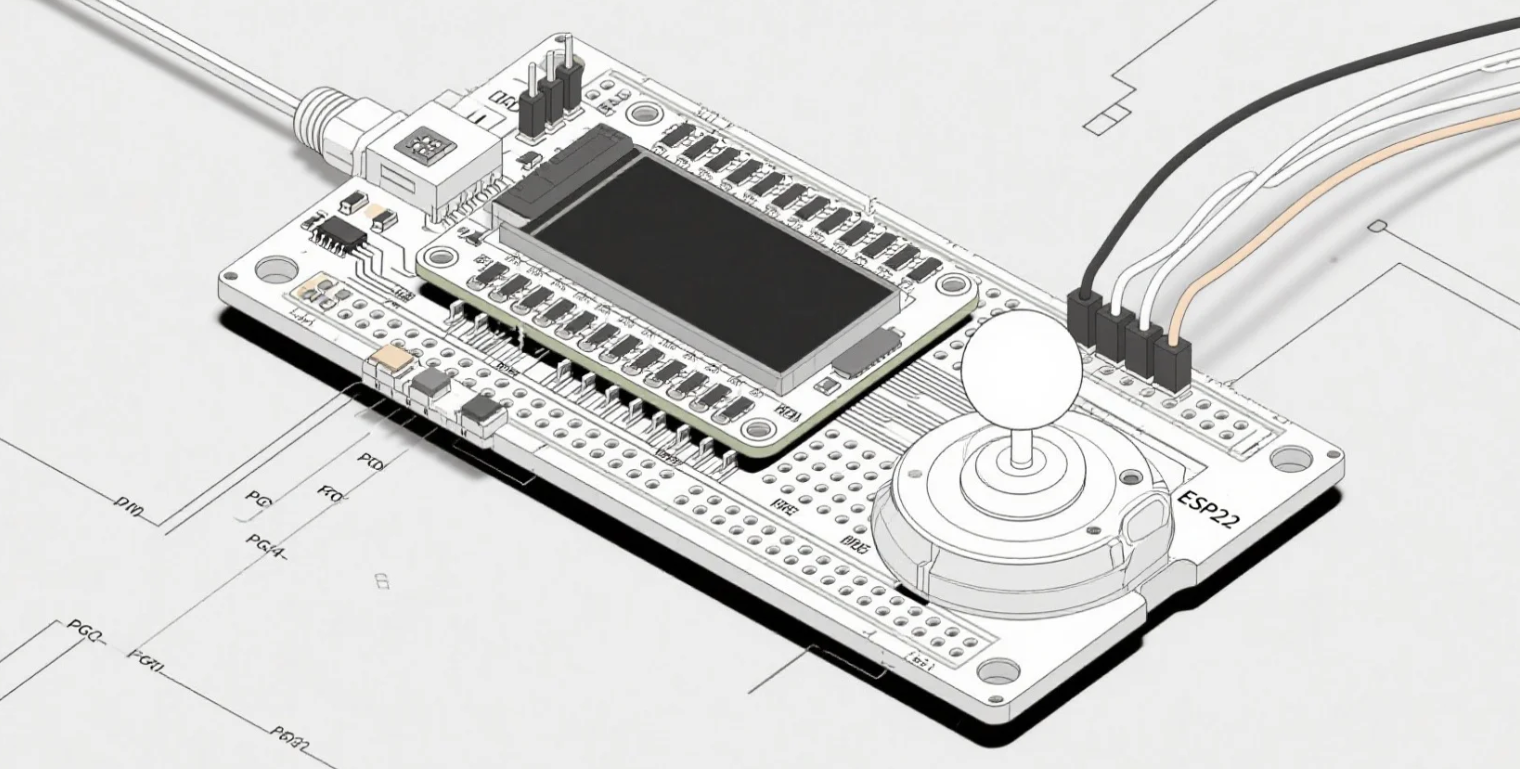
The TFT display connects to the ESP32 via SPI for optimal speed. Common connections include:
Controllers can be connected to digital GPIO pins or via Bluetooth if using a wireless gamepad.
You can use Arduino IDE or PlatformIO to program the ESP32. Libraries such as TFT_eSPI or Adafruit_GFX handle the display rendering.
For WiFi multiplayer, use UDP or TCP sockets to send and receive player inputs and game states in real time. ESP-NOW is another option for low-latency communication between devices without a router.
Example multiplayer game ideas:
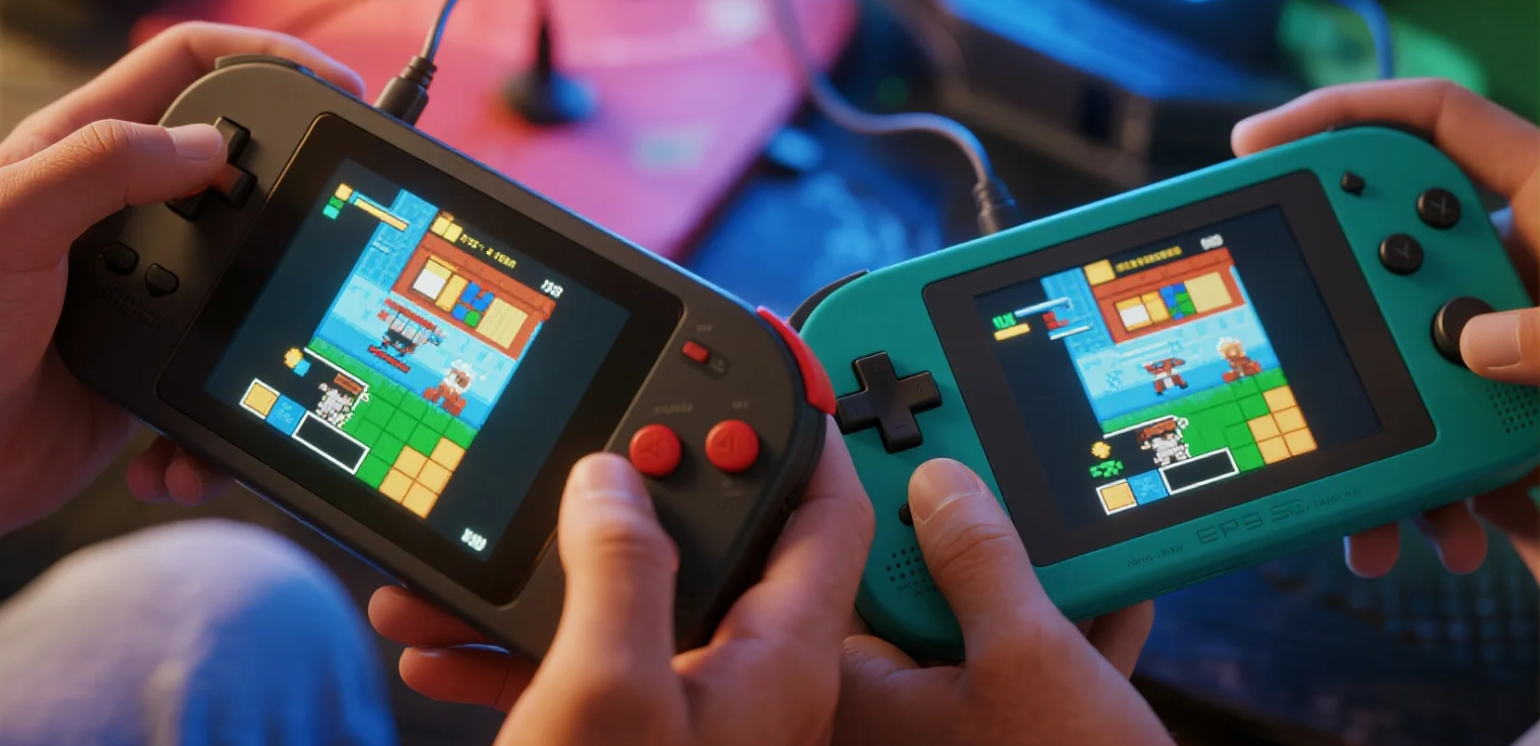
Multiplayer gaming requires fast and reliable communication. The ESP32 can maintain stable connections with ping times under 10 ms in local networks. Key steps to achieve smooth performance include:
By leveraging the ESP32’s dual-core design, one core can handle game logic while the other manages network communication, keeping latency minimal.
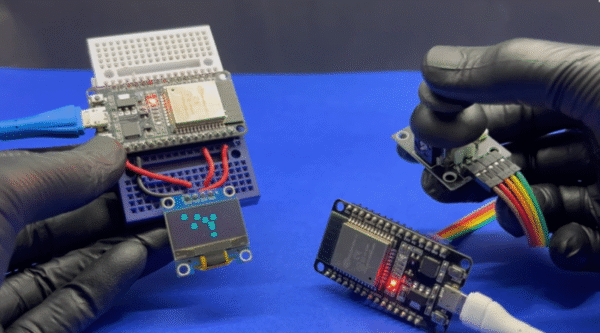
While the ESP32 WiFi Gaming Console is perfect for entertainment, its design can be adapted for other purposes:
The ESP32 WiFi Gaming Console powered by a TFT screen is more than just a fun DIY project — it’s a gateway to innovation. By combining wireless multiplayer capabilities with rich, colorful graphics, you can create unique gaming experiences or interactive tools for education, IoT, and beyond.
Whether you’re a hobbyist experimenting with game design or a developer looking for a customizable portable platform, the ESP32 and TFT LCD pairing offers endless possibilities.