
A vehicle di does not operate in controlled indoor environments.
Instead, it must survive heat, cold, vibration, moisture, dust, and long-term stress—often simultaneously.
For engineers and procurement teams, understanding environmental reliability and testing standards is critical when selecting display modules for automotive, motorcycle, and industrial vehicle applications.
This article explains the key environmental challenges vehicle displays face, the most relevant testing sta
Unlike consumer devices, vehicle displays are exposed to:
If a display fails in the field, the consequences include:
That’s why environmental testing is a core requirement for any professional vehicle display system.
Vehicle displays may operate in environments ranging from:
Common risks:
Wide-temperature LCDs and automotive-grade components are essential.
Motorcycles and industrial vehicles generate constant vib
Risks include:
Displays must be tested under simulated real-world vibration profiles.
Outdoor vehicle displays often require:
Testing often aligns with IP-rated environmental exposure and humidity cycling.
Long-term sunlight exposure can cause:
UV resistance is especially important for high brightness vehicle display systems.
Simulates repeated hot/cold transitions to verify material and electrical stability.
Ensures the display operates normally at temperature extremes for extended periods.
Validates resistance to mechanical stress typical in vehicle environments.
Confirms long-term reliability by operating displays continuously at elevated stress levels.
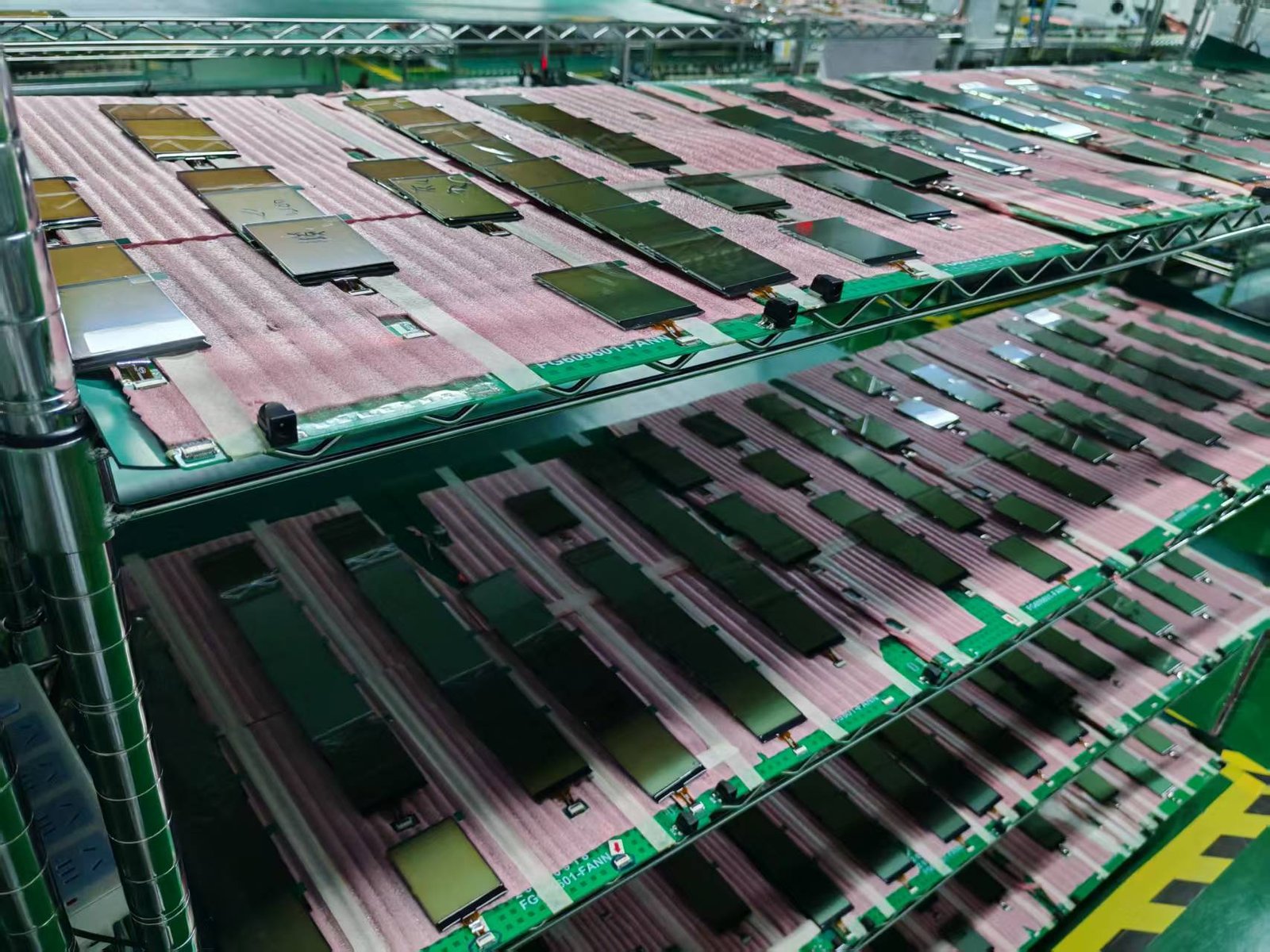
Ensures display modules do not emit or suffer from electromagnetic interference in vehicle systems.
Engineers should:
✔ Select industrial- or automotive-grade LCD panels
✔ Validate performance across full temperature range
✔ Consider optical bonding for vibration resistance
✔ Design proper mechanical support and mounting
Environmental reliability must be designed in, not tested in later.
A reliable vehicle display system supplier should provide:
If test data cannot be provided, long-term risk increases significantly.
In these applications, environmental reliability defines product success.
Environmental reliability and testing standards are fundamental to any vehicle display system.
By understanding environmental stress factors and demanding proper validation from suppliers, engineers and procurement teams can ensure safe, stable, and long-lasting display performance.
Choosing a display is not just about specifications — it’s about survivability in the real world.
Power Consumption, Boot Time & Thermal Design in Vehicle Display Systems
Touch Technology for Vehicle Display Systems
High Brightness & Sunlight Readability in Vehicle Display Systems