
The integration of augmented reality (AR) into industrial and consumer applications is driving unprecedented changes in LCD module design. Once tailored mainly for smartphones, laptops, and signage, LCD modules are now being engineered with new capabilities to meet the visual and functional requirements of immersive AR experiences.
From high-resolution optics to ultra-low latency response times, AR display technology is influencing every stage of the LCD module development cycle.
Augmented reality blends digital elements with the real world, meaning display modules must offer:
In traditional LCD manufacturing, these specifications were often optional. With AR, they’ve become essential.
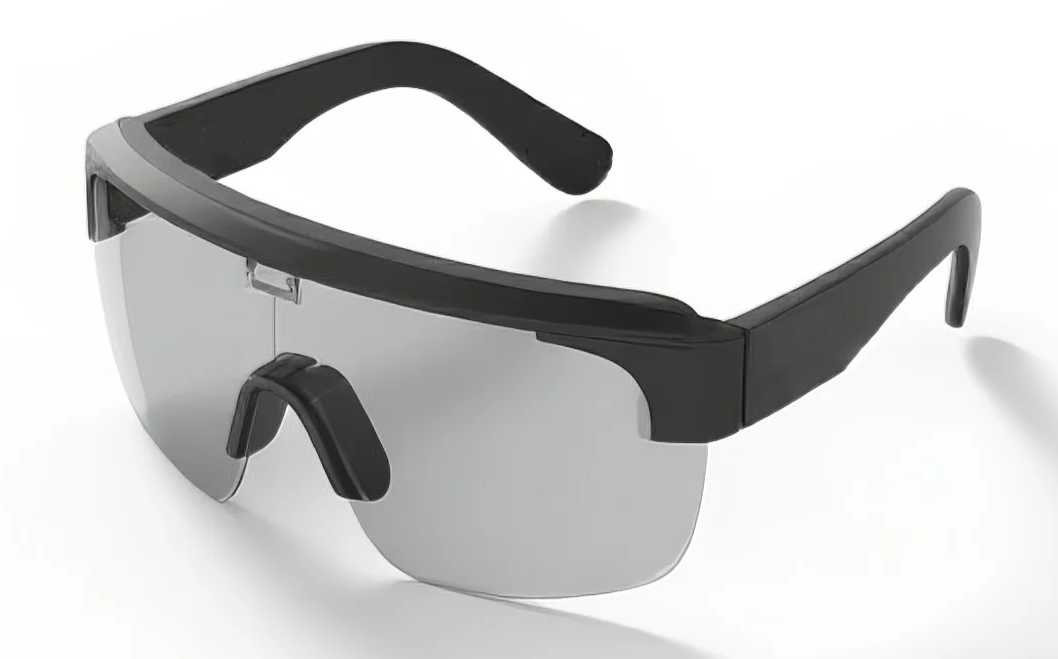
AR devices like smart glasses and headsets require extremely small LCD panels—sometimes as small as 0.5 inches—without sacrificing image clarity. Engineers now optimize:
Low latency is crucial in AR to avoid motion sickness. LCD module design now focuses on:
Since AR often uses waveguides, beam splitters, or lens projection, LCD modules must maintain:

Factories use AR headsets to overlay assembly instructions, requiring rugged LCD modules with:
Surgeons benefit from AR overlays during operations, which demand:
Technicians use AR smart glasses for real-time guidance, meaning LCD modules must be:
According to Display Supply Chain Consultants (DSCC), AR-related display shipments are projected to grow over 50% annually through 2028. LCD modules are still preferred over OLED in many industrial AR applications due to:
FlyLucky has delivered custom LCD modules for AR device OEMs, offering:
These capabilities allow small to mid-sized enterprises to quickly bring AR-enabled devices to market without compromising on quality or speed.
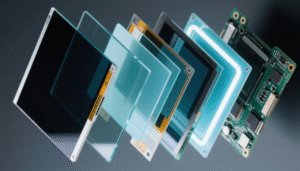
Innovations such as dual-cell LCDs, advanced liquid crystal materials, and hybrid display systems are helping overcome these hurdles.
While OLED and microLED displays are gaining traction, LCD technology remains a cost-effective, reliable solution for many AR applications. Ongoing improvements in LCD module design—including faster switching, higher brightness, and better integration—will ensure it remains competitive in the AR space for years to come.
Q1: Why not just use OLED for AR?
A: OLED offers great contrast, but LCD can achieve higher brightness, longer life, and lower cost in certain AR devices.
Q2: How does AR impact LCD module lifespan?
A: AR modules face more frequent image updates and exposure to variable lighting, so designs include better heat management and materials.
Q3: Can LCD modules for AR be customized?
A: Yes. OEM/ODM customization for size, brightness, interface, and branding is common in the AR market.